Best Online Trading South Africa Platforms for 2026
Compare the best online trading platforms and brokers in South Africa. Learn how to start forex trading, CFD trading and online share trading on the JSE with trusted, FSCA-regulated brokers.
- Regulated
- FSCA
- Min. Deposit
- From $10
- Access
- 24/7
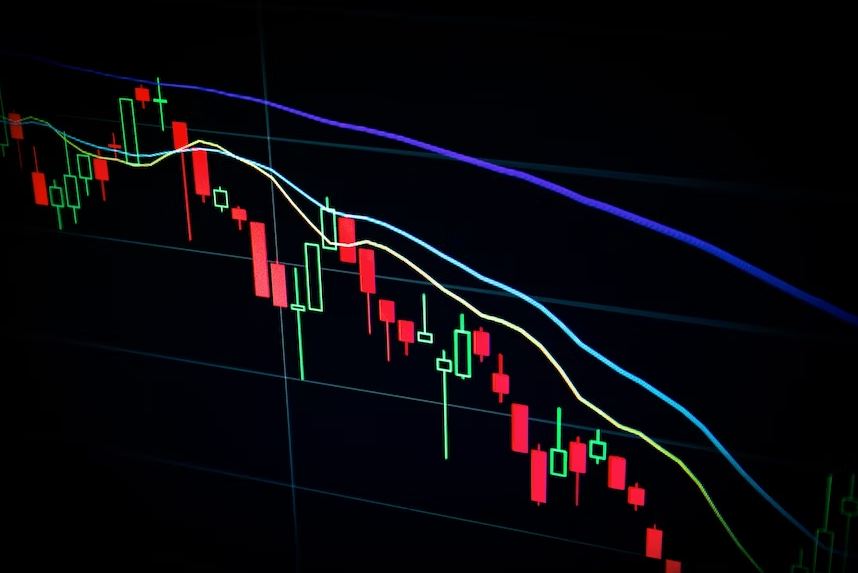
Best Online Trading Platforms South Africa in 2026
Below is our expert-selected list of the best online trading platforms and online trading SA brokers for 2026. Each broker is compared by its minimum deposit and the financial regulators that oversee it. Every broker featured here is regulated by the Financial Sector Conduct Authority (FSCA) in South Africa, so you can trade online with confidence. Compare the minimum deposit, regulation and rating, then sign up and open an account to start trading online.
Deriv SA
Best low minimum deposit
- Min. Deposit
- $10
- Regulator
- FSCA Regulated
IQ Option South Africa
Great for beginners
- Min. Deposit
- $10
- Regulator
- FSCA Regulated
Exness South Africa
Low spreads
- Min. Deposit
- R1500
- Regulator
- FCA & FSCA Regulated
HYCM Markets South Africa
Multi-jurisdiction trust
- Min. Deposit
- $100
- Regulator
- FCA, DFSA & CySEC Regulated
Quotex South Africa
Fast payouts & low minimum
- Min. Deposit
- $10
- Regulator
- IFMRRC Regulated
Ratings are based on regulation, fees, trading platforms, deposit methods and customer support. Trading involves risk. You can sign up with more than one online stock trading platform so that you can compare fees and save money.
Online Trading South Africa
Online trading in South Africa is becoming increasingly popular among South African residents. With the rise of technology, we have also witnessed the rapid rise of online trading platforms in South Africa. The aim of the Trading Online South Africa website is to provide people who are interested in trading online with the basic information they need on how to start online trading in South Africa. Anyone with a computer and an internet connection can join the online trading market by creating an account with a broker. These brokers, or online trading sites, will help you build your investment portfolio and access global financial markets from home.
Online trading in South Africa is completely legal, but you must make sure that you trade with a regulated and trusted provider. Online brokers in South Africa are regulated by the Financial Sector Conduct Authority (FSCA). The FSCA protects consumers, keeps the industry stable and promotes healthy competition between financial service providers. If you want to start trading online in South Africa, you should research which markets you can trade in, come up with a trading strategy and open a live account to start trading online. Many South African online trading investors start off by opening a demo account where they practice and learn about the online trading market before risking real money.
Please note that investing in stocks, forex and CFDs does not guarantee a return, even if you are using the best online trading platform in South Africa. Online trading is a risky business and you can lose your money. Throughout this guide we cover online share trading, forex trading, CFD trading, indices, commodities and everything a South African trader needs to make informed decisions in 2026.
What Is Online Trading?
Online trading is the buying and selling of financial instruments such as shares in listed companies on the Johannesburg Stock Exchange (JSE), currencies, commodities, indices and CFDs, typically through the internet. Anyone with a smartphone or a computer with an internet connection can start online trading in South Africa. An online trading platform acts as your online broker, whereby it facilitates your purchase and sale of shares and other assets online.
Definition: Online Trading
Online trading is the process of placing buy and sell orders for financial assets — such as shares, forex, commodities and CFDs — electronically over the internet through a licensed broker or trading platform, without needing to phone a traditional stockbroker.
Definition: Online Broker
An online broker is a company or authorised individual licensed to buy and sell stocks, forex and other investments on your behalf. If you want to buy shares or currencies, your broker acts as the middleman to place orders on the exchange for you.
Because an online trading platform acts as your broker, it may charge brokerage fees or spreads as a commission to purchase and sell instruments on your behalf through the exchange. Many South African brokers do not charge any commission to buy or sell stocks and other investments, instead earning money from the spread — the small difference between the buy and sell price.
Online Share Trading Platforms South Africa

Online share trading is one of the most popular ways of making money online in South Africa. Many South African residents are now making money by buying and selling shares online through the internet. Online trading of shares has proved to be one of the most profitable online businesses, and more people are venturing into it every year. Before we go any further, it is important to understand the definition of online share trading and how online share trading works in South Africa. You need to think carefully before buying and selling shares — consider how much money you want to invest, how long you will hold the shares and how much risk you are willing to take.
What Is Online Share Trading?
Definition: Online Share Trading
Online share trading is the buying and selling of shares in companies listed on the Johannesburg Stock Exchange (JSE) through the internet. It gives South African citizens the power to invest in the share market directly. Anyone with a smartphone or computer connected to the internet can trade shares online.
When you buy a share in a company, you become a shareholder and you own a small portion of that business. As a shareholder, you will receive a share of the organisation's profit as a dividend when the company performs well. If you own the right type of shares, you may also have the right to vote at company meetings. However, if the company does not perform well, your shares lose value and are not worth as much, meaning you could lose the money you paid for those shares.
How Does Online Share Trading Work?
Online share trading works as follows. While there are physical stock exchanges, shares are acquired and traded online. To trade shares in South Africa, you need an online stockbroker who acts as an intermediary to the stock exchange. An online stockbroker is simply an online trading platform that allows you to execute trades by yourself. With over 2,600 companies listed across major exchanges and a deep pool of JSE-listed shares, there are plenty of investment options to choose from. Online trading of shares really does work for most South African residents who take the time to learn.
How Do You Make Money From Shares?
You make money from shares in two main ways. The first is capital growth: you buy when the price is low and sell when the price is high, and the difference is your capital profit (or loss). The second way to make money from stocks as a shareholder is through dividends. Dividends are usually paid twice a year, and you can reinvest them to compound your profits or bank them as income.
Definition: Dividend
A dividend is a portion of a company's profits paid out to its shareholders, usually twice a year. Reinvesting dividends allows you to compound your returns over time.
How Online Trading Works in South Africa
Interested in trading online and wondering how online trading in South Africa works? The process is simpler than most beginners expect. First, you need to find a broker, open an account, deposit money, select your shares or instruments, place your order and execute the trade. As a trader you need a trading platform to make trades; the broker takes your request and executes the order. You also need a counterparty on the stock exchange, but the trading platform finds a counterparty for you automatically, and a deal can be completed in just a few seconds.
- 1
Find a broker
Choose an FSCA-regulated online broker that suits your trading needs and budget.
- 2
Open an account
Register with your ID and personal details — it is free and quick.
- 3
Deposit money
Fund your account via bank transfer, debit card, credit card, Skrill or PayPal.
- 4
Select your shares or instruments
Research and choose the shares, forex pairs or CFDs you want to trade.
- 5
Order and buy
Place your order type of choice and confirm the trade to complete your purchase.
How to Start Trading Stocks Online in South Africa
There are many things you need to know before you start trading stocks online, whether you want to invest for the long term or trade online frequently. Knowing the right process will help you invest more effectively. Follow these steps to get started with online trading in South Africa.
- 1
Research about stocks
Look at public information such as company earnings reports and financial filings, usually provided by your online broker.
- 2
Get an education or training
Enrol in a trading online course or online trading academy. Many brokers offer free seminars and educational tools.
- 3
Find an online stockbroker
Read reviews and make sure the broker has the right tools and support for your trading needs.
- 4
Create a demo account
A demo (practice) account lets you trade with virtual money and learn how the platform works risk-free.
- 5
Open a live trading account
When you are ready, open and fund a live account using PayPal, Skrill, bank transfer, debit card or credit card.
- 6
Sign up for a stock trading platform
Choose the platform that matches your goals — simple for beginners, advanced for active traders.
- 7
Select the stocks you want to buy
Use your research to choose the shares, forex pairs or CFDs to trade.
- 8
Choose your stock order type
Familiarise yourself with market orders, limit orders, stop-loss orders and stop-limit orders.
- 9
Buy your stock
Place your order through your broker and confirm to complete the trade.
Forex and CFD Trading in South Africa
Beyond shares, two of the most popular forms of online trading in South Africa are forex trading and CFD trading. These markets are open around the clock and give South African traders access to global currencies, commodities, indices and cryptocurrencies. Understanding these instruments is essential if you want to become a well-rounded online trader.
Definition: Forex Trading
Forex (foreign exchange) trading is the buying and selling of currency pairs, such as USD/ZAR or EUR/USD, with the aim of profiting from changes in exchange rates. The forex market is the largest and most liquid financial market in the world and is open 24 hours a day, five days a week.
Definition: CFD (Contract for Difference)
A CFD is a contract between a trader and a broker to exchange the difference in the price of an asset between the time the contract is opened and closed. CFDs let you trade on rising and falling prices with leverage, without owning the underlying asset.
Definition: Leverage
Leverage allows you to open a larger position with a smaller amount of capital, magnifying both potential profits and potential losses. For example, 1:100 leverage means R1,000 can control a R100,000 position. Leverage must be used with care as it significantly increases risk.
Definition: Spread
The spread is the difference between the bid (sell) price and the ask (buy) price of an instrument. It is the main cost of trading forex and CFDs and is how many brokers earn their money instead of charging a commission.
Whether you are drawn to forex, CFDs or shares, the fundamentals of risk management remain the same: never risk more than you can afford to lose, always use a stop-loss and start with a demo account. Learn more in our dedicated guides to forex trading, forex brokers and CFD brokers in South Africa.
Online Trading Platforms South Africa
Are you looking for the best online brokers in South Africa? With the rise of the best online trading platforms in South Africa, you can now find a platform that suits your trading needs as you buy shares, forex and CFDs online through a computer or smartphone. Below is a list of some of the best-known online trading platforms available to South African traders.
- AvaTrade — a leading all-round online trading platform in South Africa.
- CM Trading — one of the best-known local online trading platforms.
- IG — highly rated stock and CFD trading software.
- XM — a popular forex and CFD broker platform.
- Markets.com — a top online stock and CFD trading platform.
- Exness — competitive spreads and FSCA regulation.
- Easy Markets — a beginner-friendly trading platform.
Choosing the Best Online Trading Platform in South Africa
It is not always easy to choose the best online trading platform in South Africa because there are dozens of share and forex trading platforms available. Whether you are a beginner or a seasoned online trader, choosing the right platform is one of the most important decisions you will make. Our experts have done the research for you — below are the most important features to consider when comparing the best online trading platforms in South Africa.
- Security — how secure is the platform and is your money safe and segregated?
- Fees — compare the brokerage fees, spreads and commissions charged per trade.
- Education — does the platform offer courses, webinars and resources for online trading?
- Customer support — is email, telephone or live chat support available 24/7?
- Margin loans — does the platform offer margin or leverage to build your portfolio?
- Trade options — can you place market, limit and stop-loss orders?
- Reporting — does the platform provide clear trade and tax reporting?
- Ease of use — is the platform fast, intuitive and mobile-friendly?
- Number of assets — can you trade forex, CFDs, currencies, indices, shares and more?
- Market data and research — does it offer real-time data and analyst research?
- Market news — does the platform provide up-to-date market news?
Advantages and Disadvantages of Online Trading
While online trading comes with many benefits, it also has drawbacks. Regardless of how you trade, there is always risk. Below are some of the key advantages and disadvantages of online trading in South Africa.
Advantages
- Investors can access their accounts online 24/7
- Easy to open and manage your account
- You can make good returns if you trade carefully and smartly
- Ability to avoid brokerage bias
- Lower fees than traditional full-service brokers
- More control and flexibility over your trades
- Monitoring tools and charts for convenience
- Access to free online trading academies and demo accounts
Disadvantages
- Online trading is a very risky business
- Losses can occur due to mechanical or platform failures
- A slow internet connection can be problematic
- No personal relationship with an online broker
- The risk for inexperienced beginners is much higher
These are some of the advantages and disadvantages of online trading. There are many benefits that South African traders enjoy, and we have heard countless testimonials of traders who built wealth through disciplined internet trading. The key is education, patience and sound risk management.
Online Trading Definitions and Glossary
New to online trading in South Africa? Here are the key definitions and terms every South African trader should understand before opening a live account.
Definition: JSE (Johannesburg Stock Exchange)
The JSE is South Africa's primary stock exchange and the largest in Africa, where shares of listed companies are bought and sold.
Definition: FSCA (Financial Sector Conduct Authority)
The FSCA is the market conduct regulator for financial institutions in South Africa. It protects consumers and ensures brokers operate fairly and transparently.
Definition: Demo Account
A demo account, also called a practice account, lets you trade with virtual money so you can learn how a platform works and test strategies without risking real capital.
Definition: Stop-Loss
A stop-loss is an order that automatically closes a trade once it reaches a set loss level, protecting you from larger losses.
Definition: Portfolio Diversification
Diversification means spreading your investments across different shares, sectors and asset classes to reduce risk.
Online Trading FAQs
Frequently asked questions about online trading in South Africa, answered by our experts.
Conclusion
Online trading in South Africa offers an accessible and potentially rewarding way to grow your wealth, whether you are interested in online share trading on the JSE, forex trading, CFD trading or investing in international markets. With a smartphone or computer, an internet connection and an FSCA-regulated broker, anyone over the age of 18 can start trading online from anywhere in the country.
The most successful South African traders are those who take the time to learn before they risk real money. Start by opening a demo account, build a solid trading strategy, understand your order types and always practise disciplined risk management. Compare brokers carefully by their fees, regulation, platforms and support, and never invest more than you can afford to lose. Remember that online trading is risky and past performance is never a guarantee of future results.
Ready to begin your journey? Use our comparison of the best online trading platforms in South Africa to find a broker that suits your needs, then explore our detailed guides to forex trading for beginners to take your first confident steps into the markets.
Start Trading Online Today
Whether your goal is long-term investing or active day trading, the tools, platforms and knowledge you need are all within reach. Trading Online South Africa is here to guide you every step of the way as you navigate the exciting world of online trading in 2026 and beyond.